THE BUILT WORLD
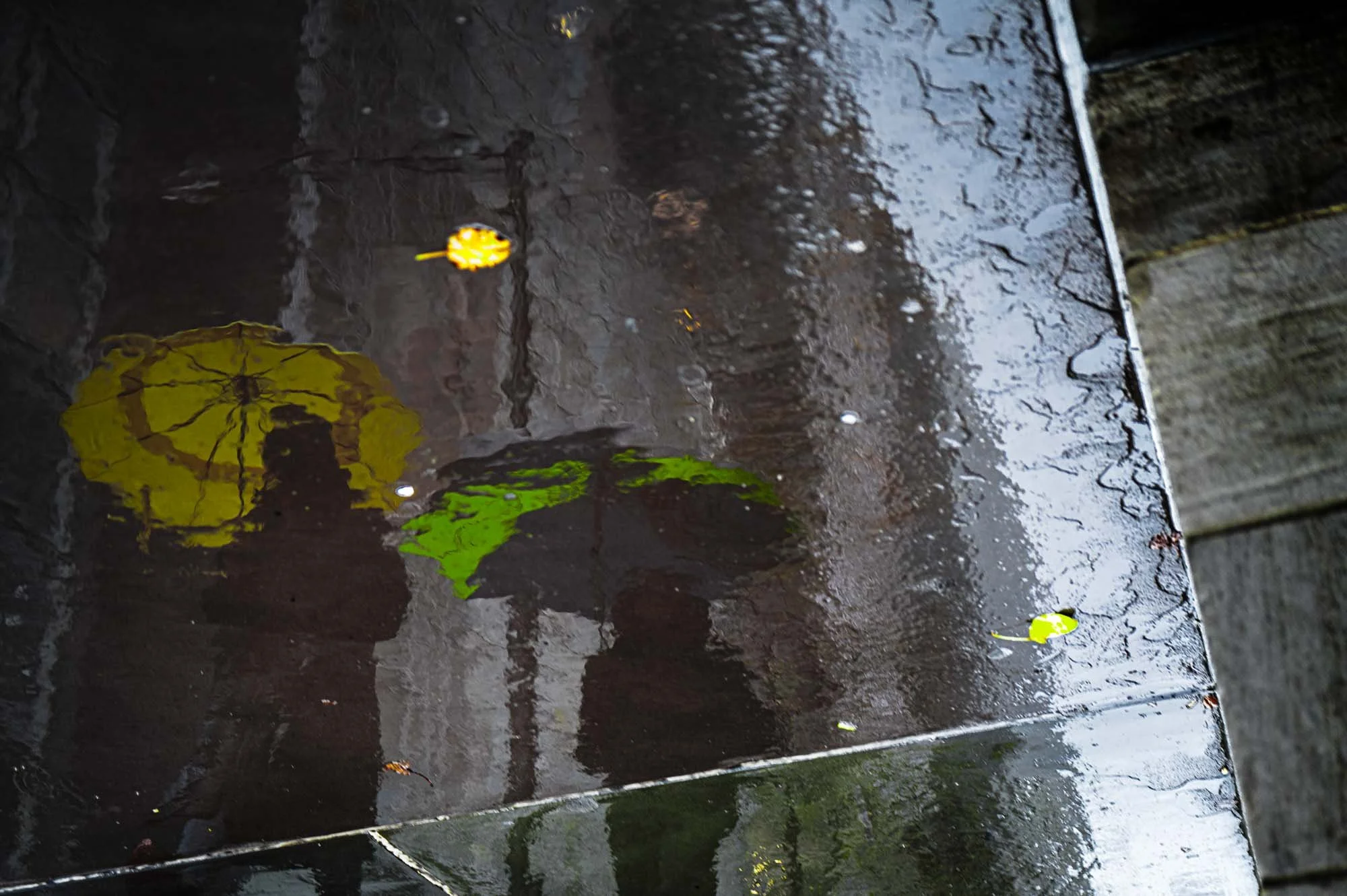
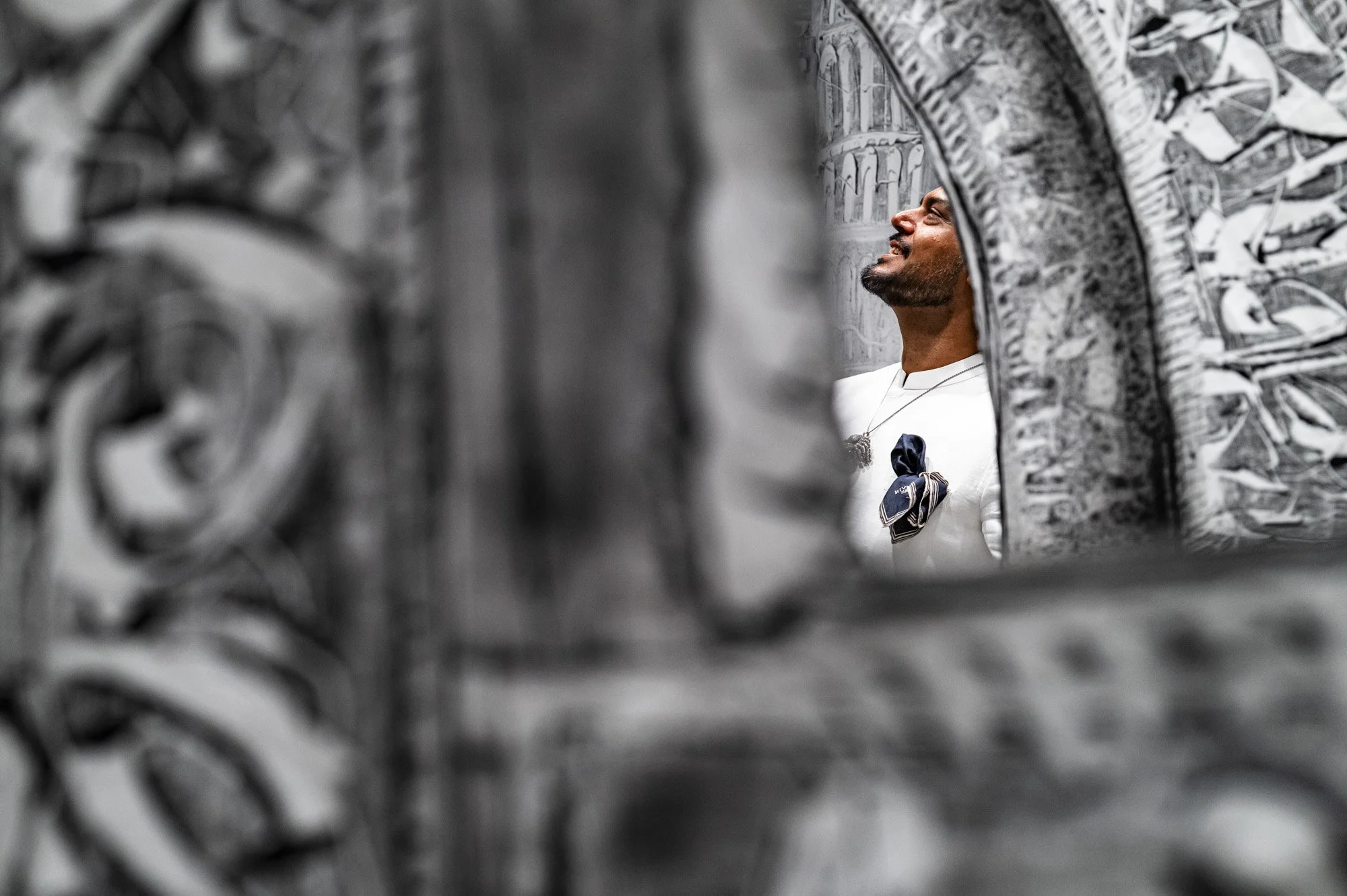
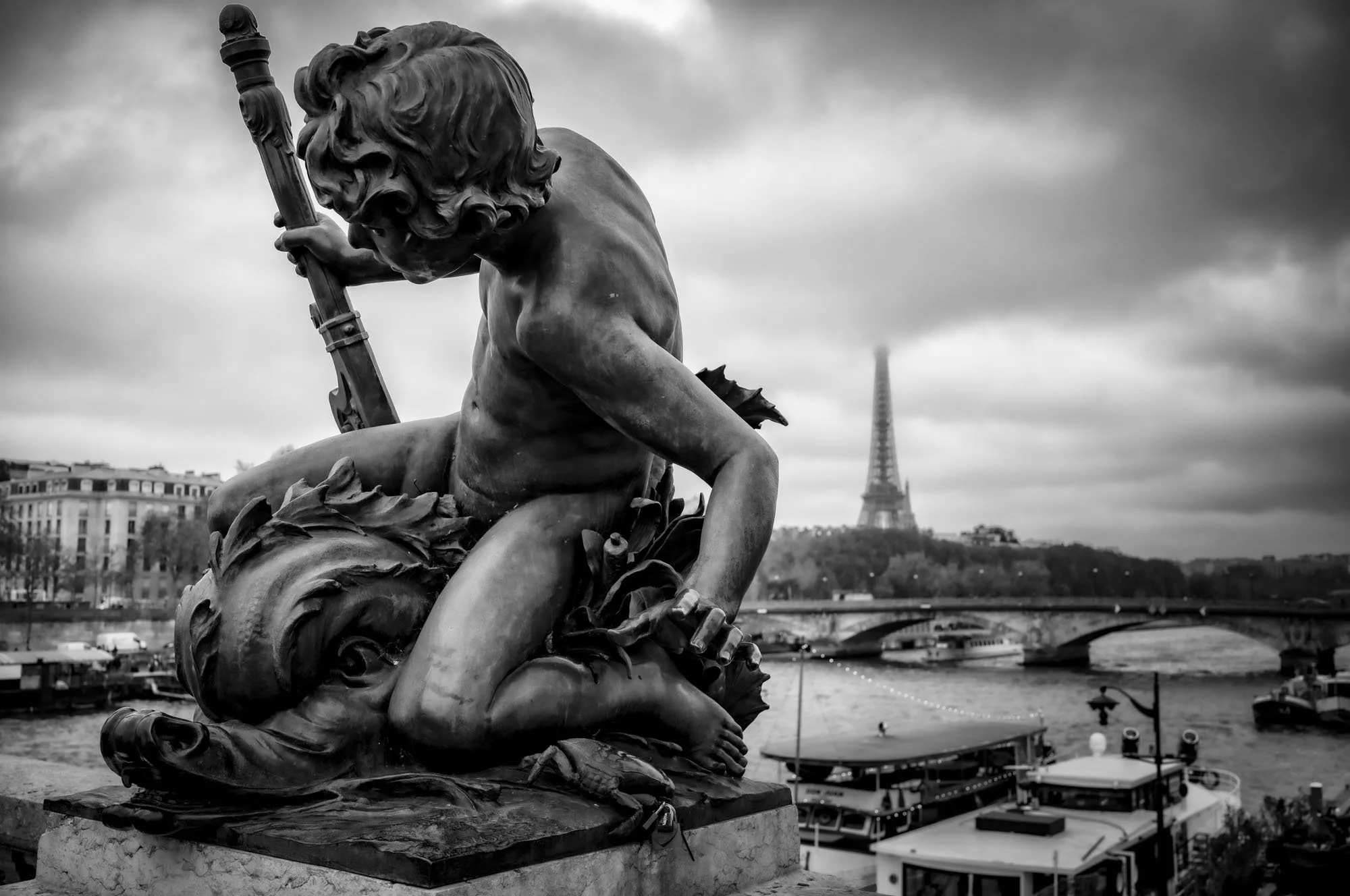
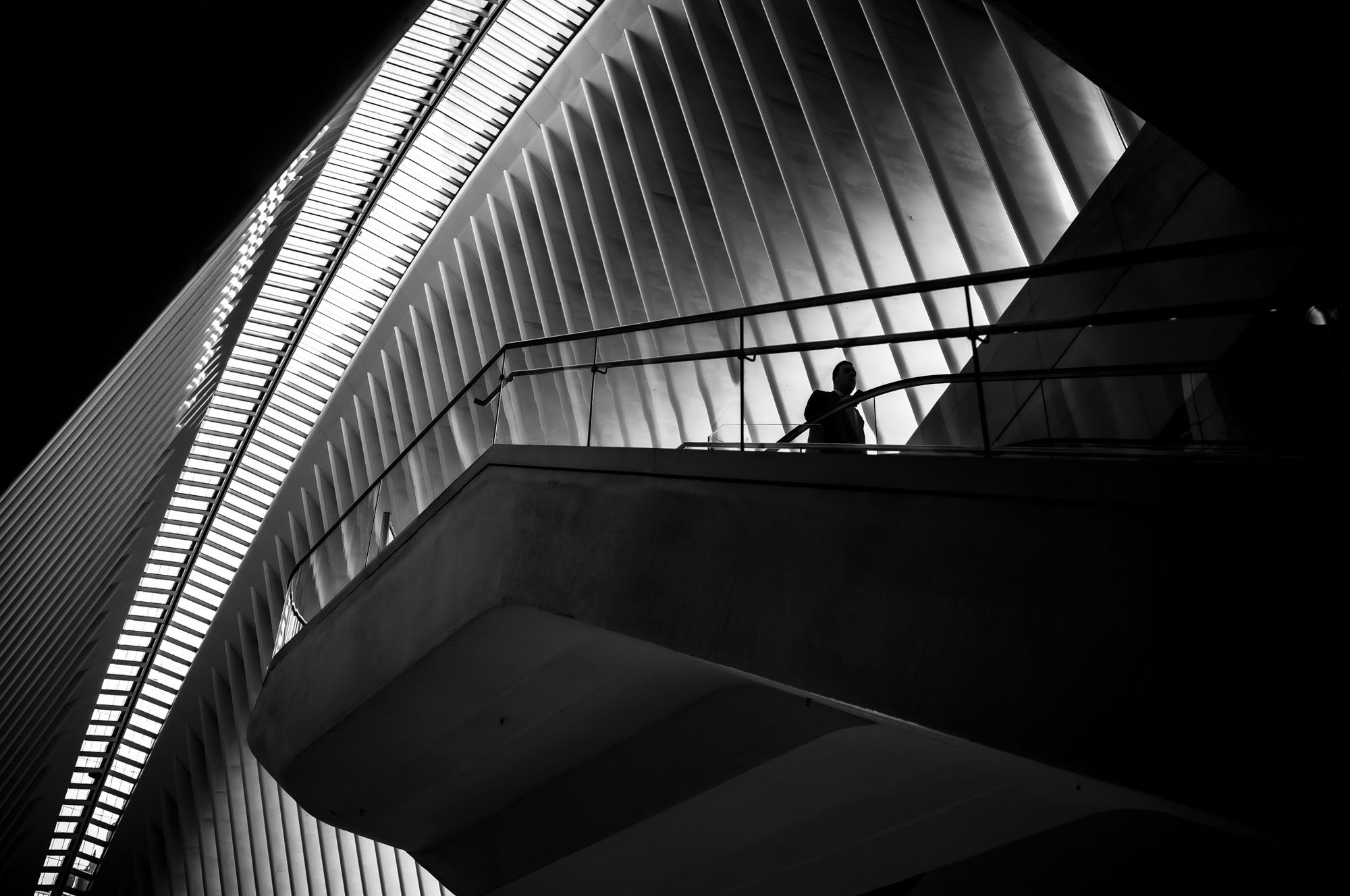
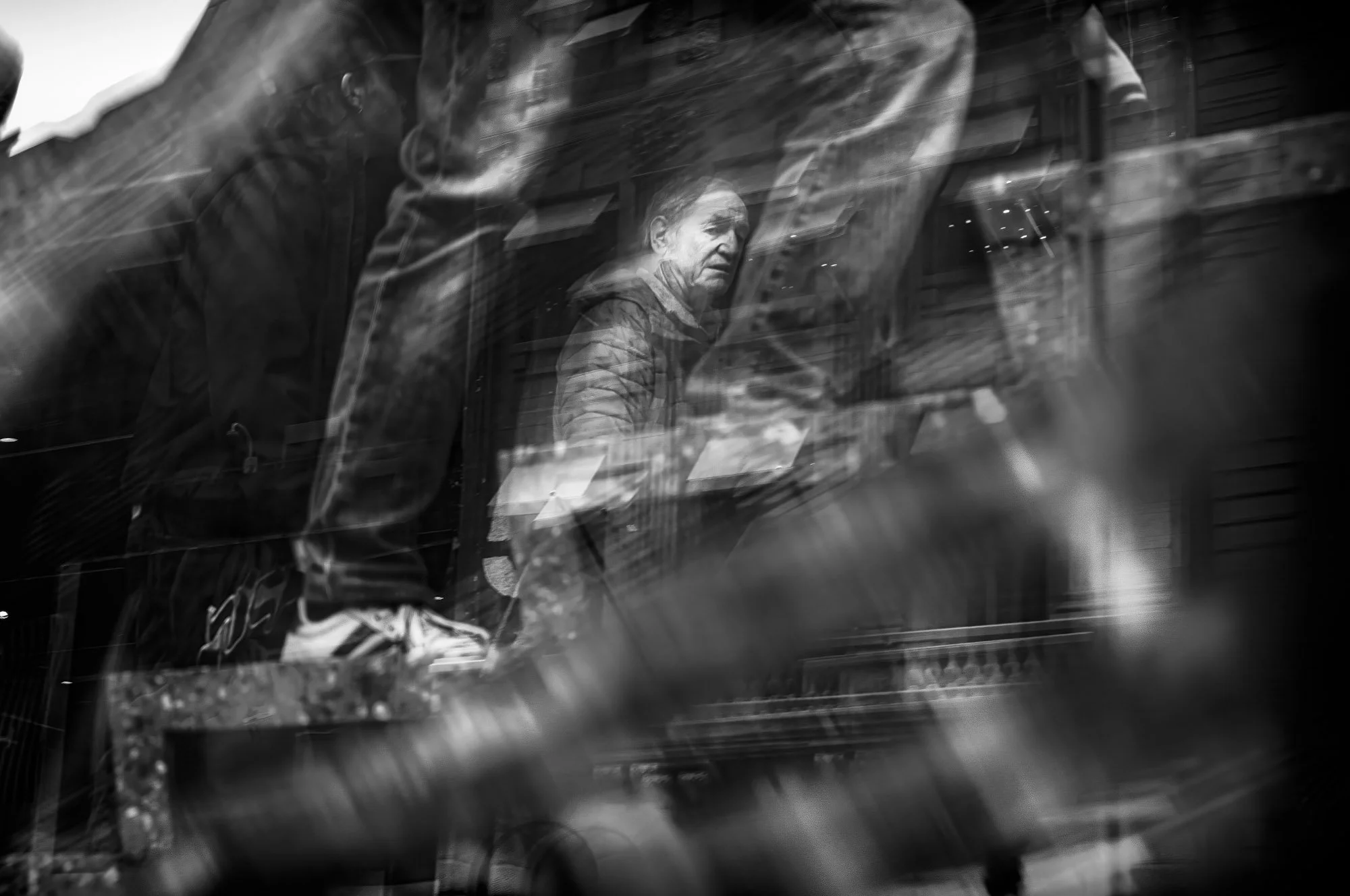
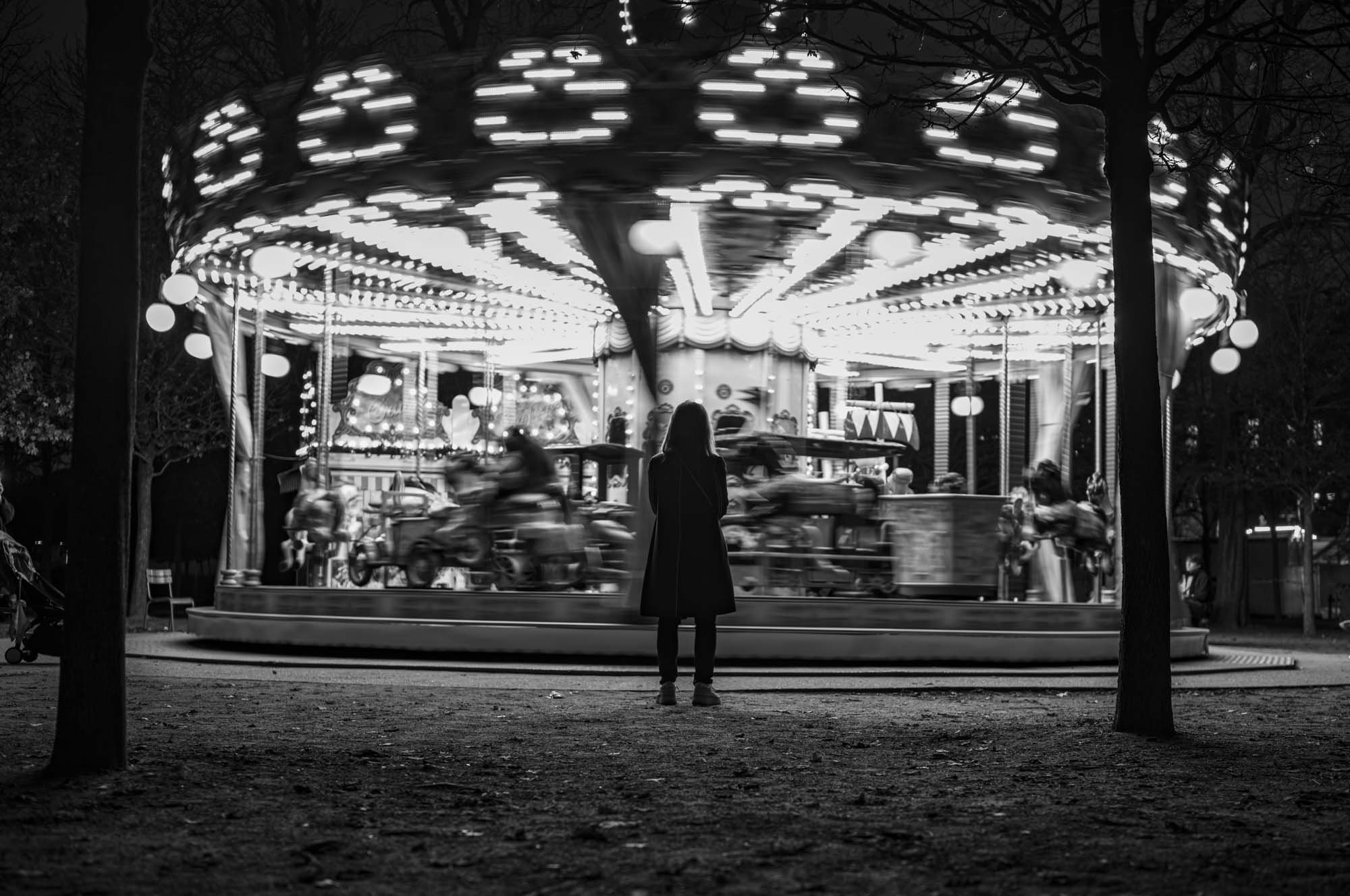
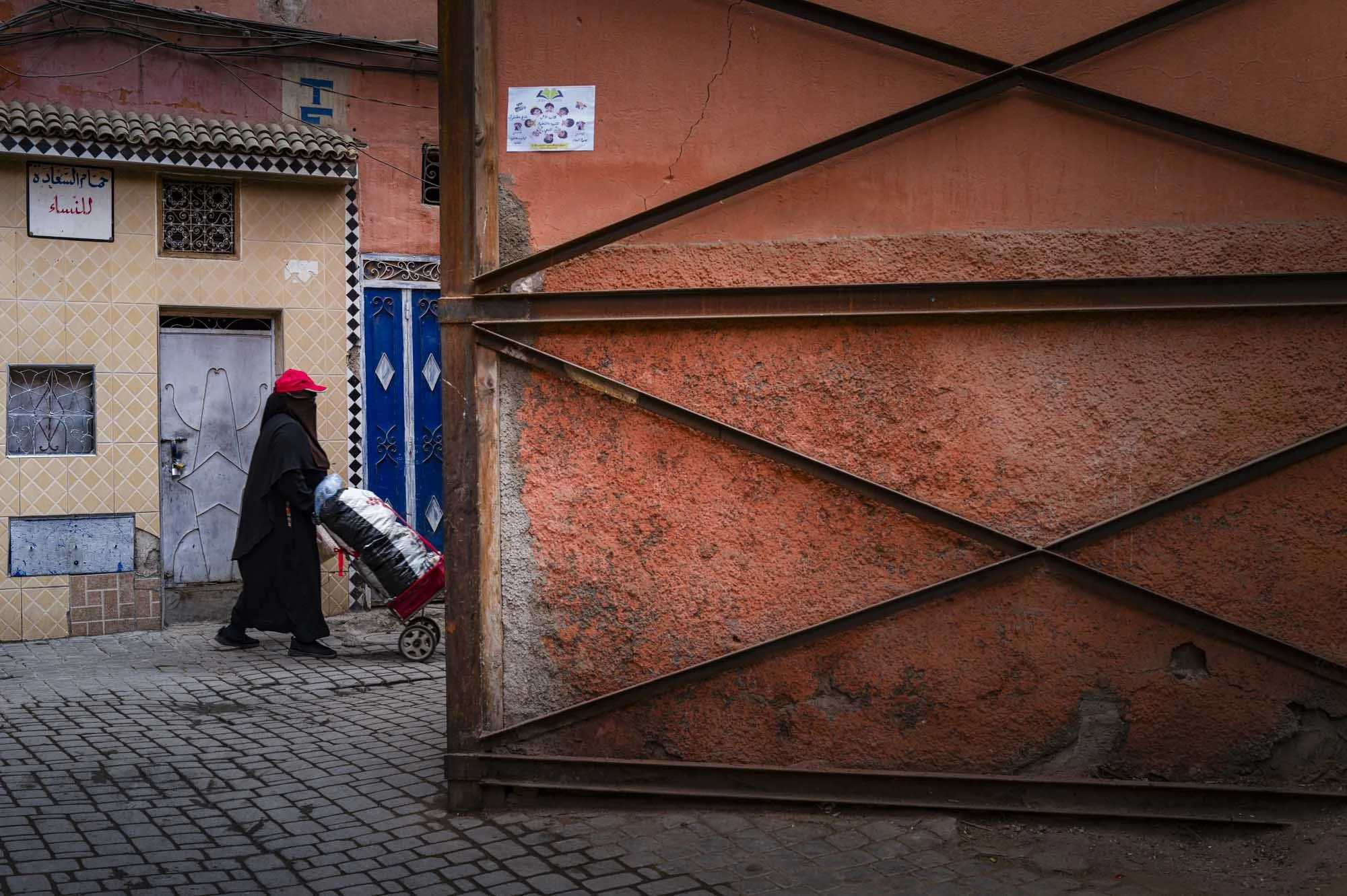
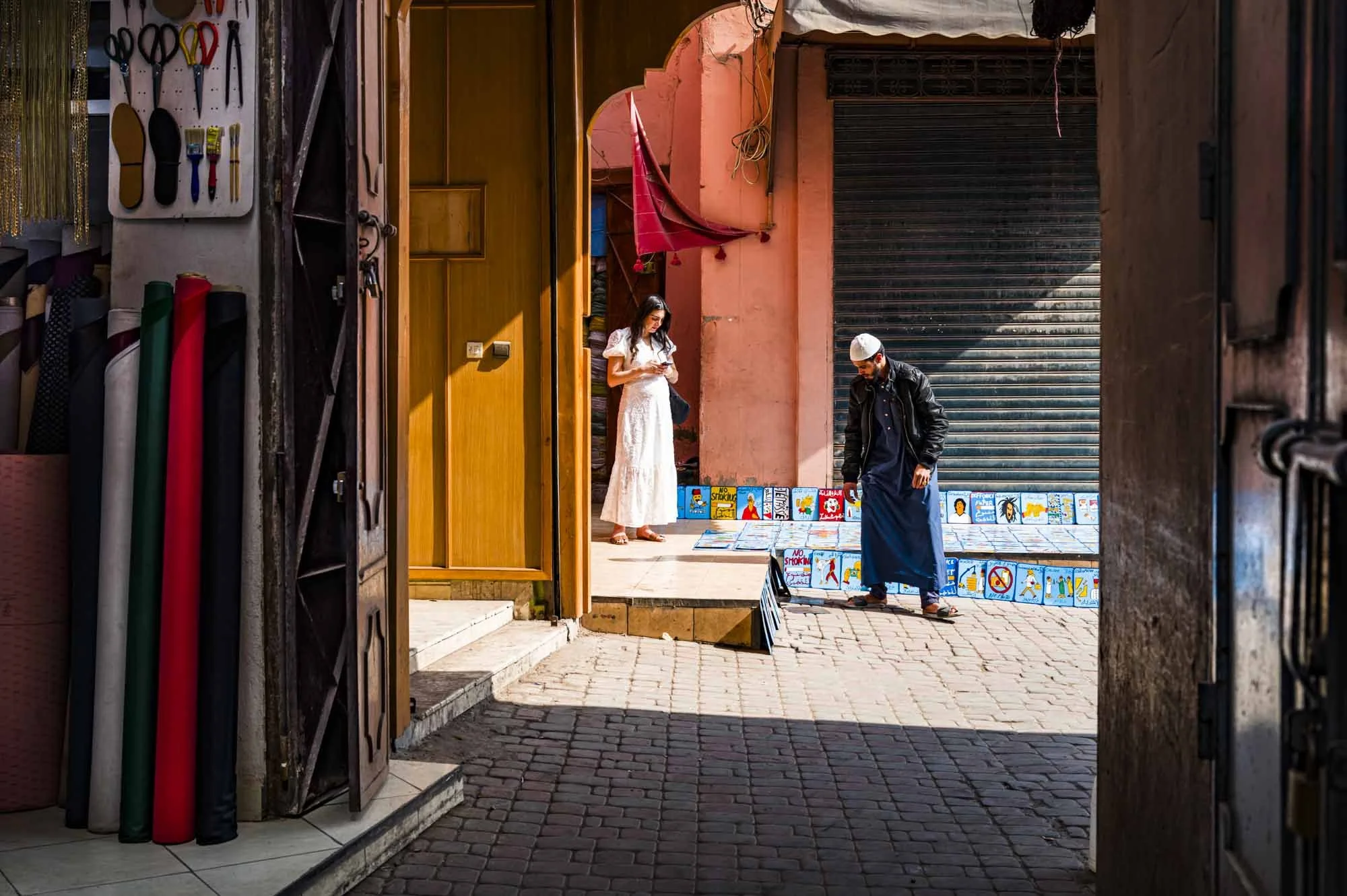
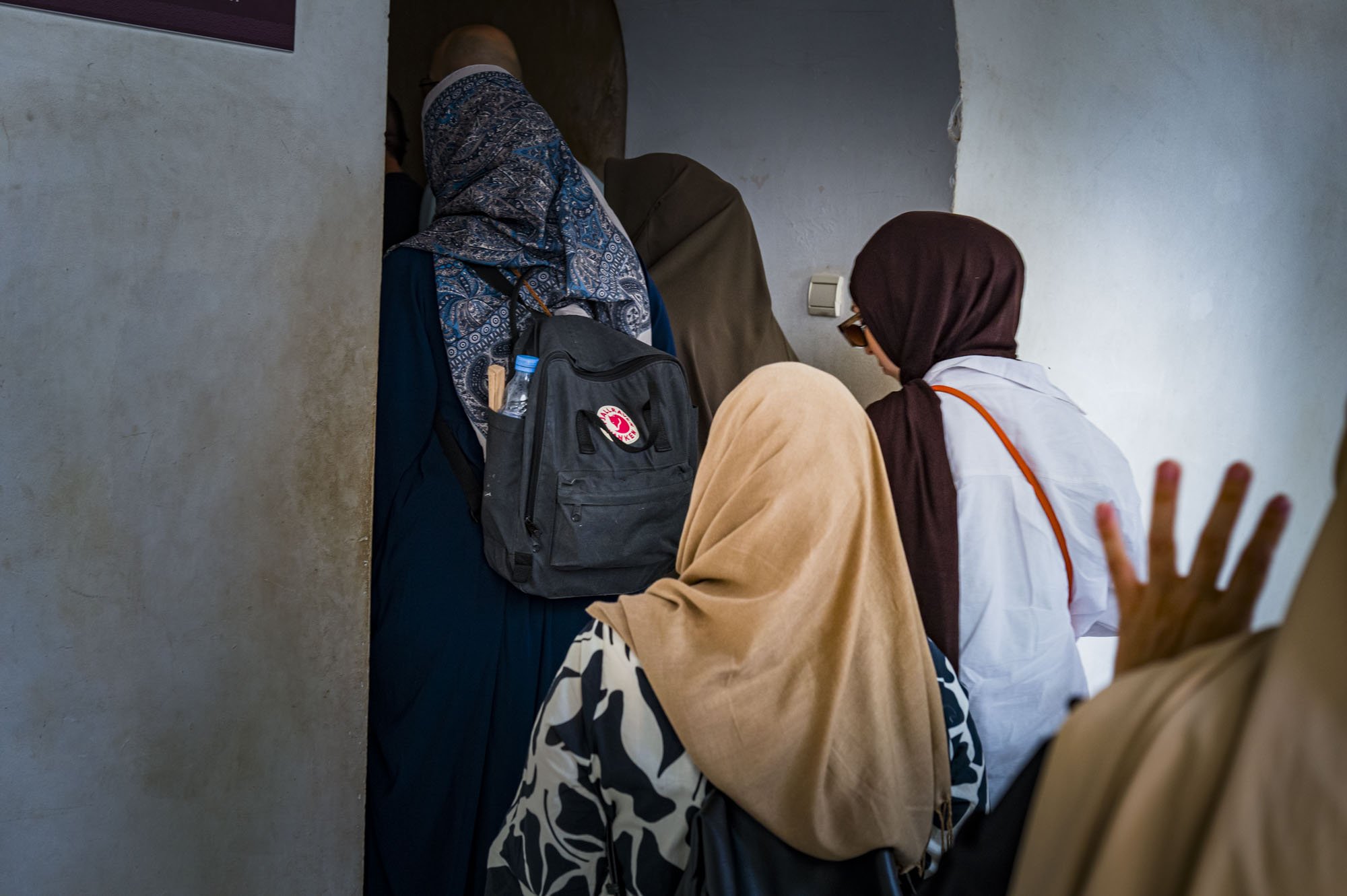
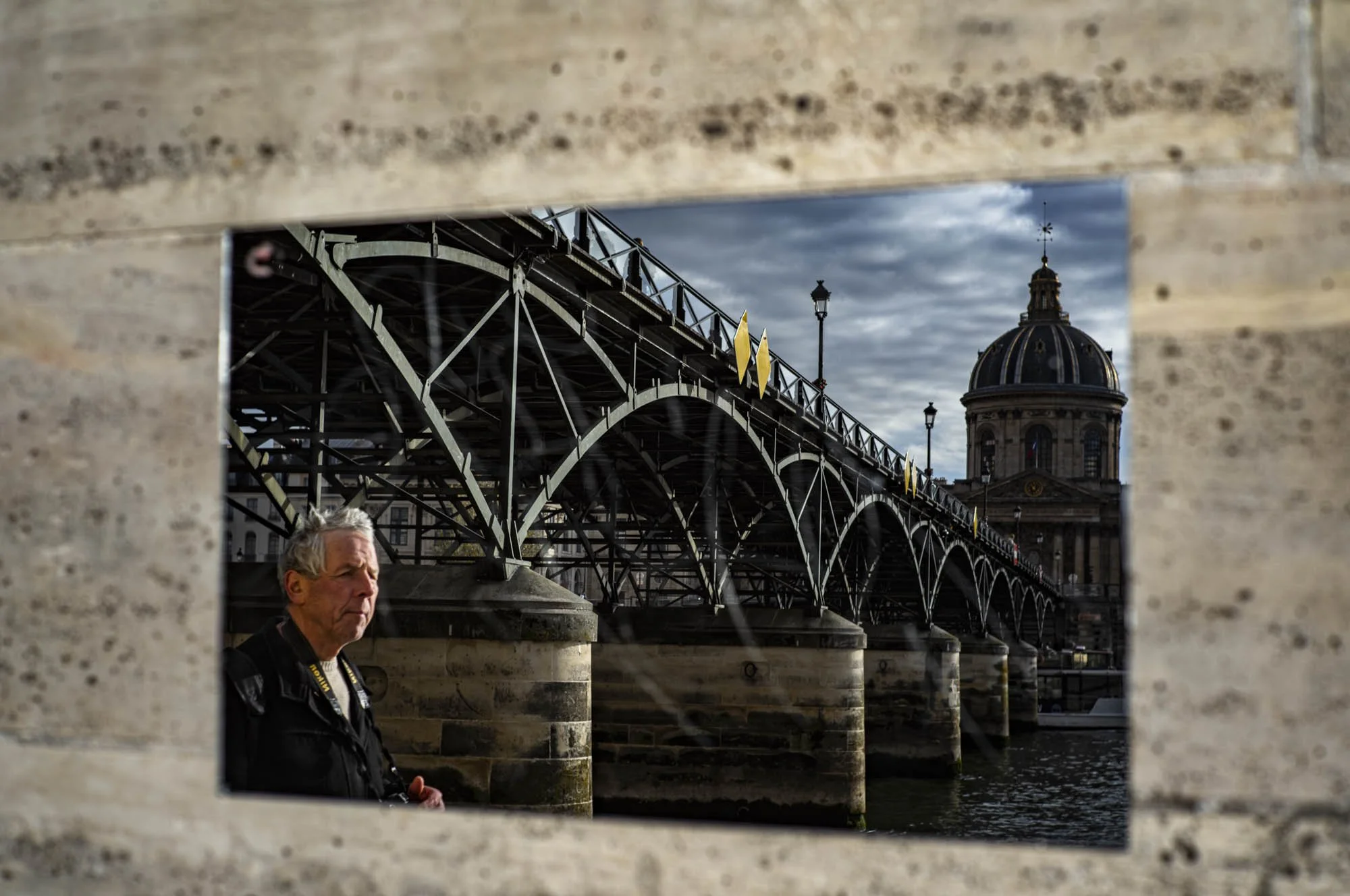
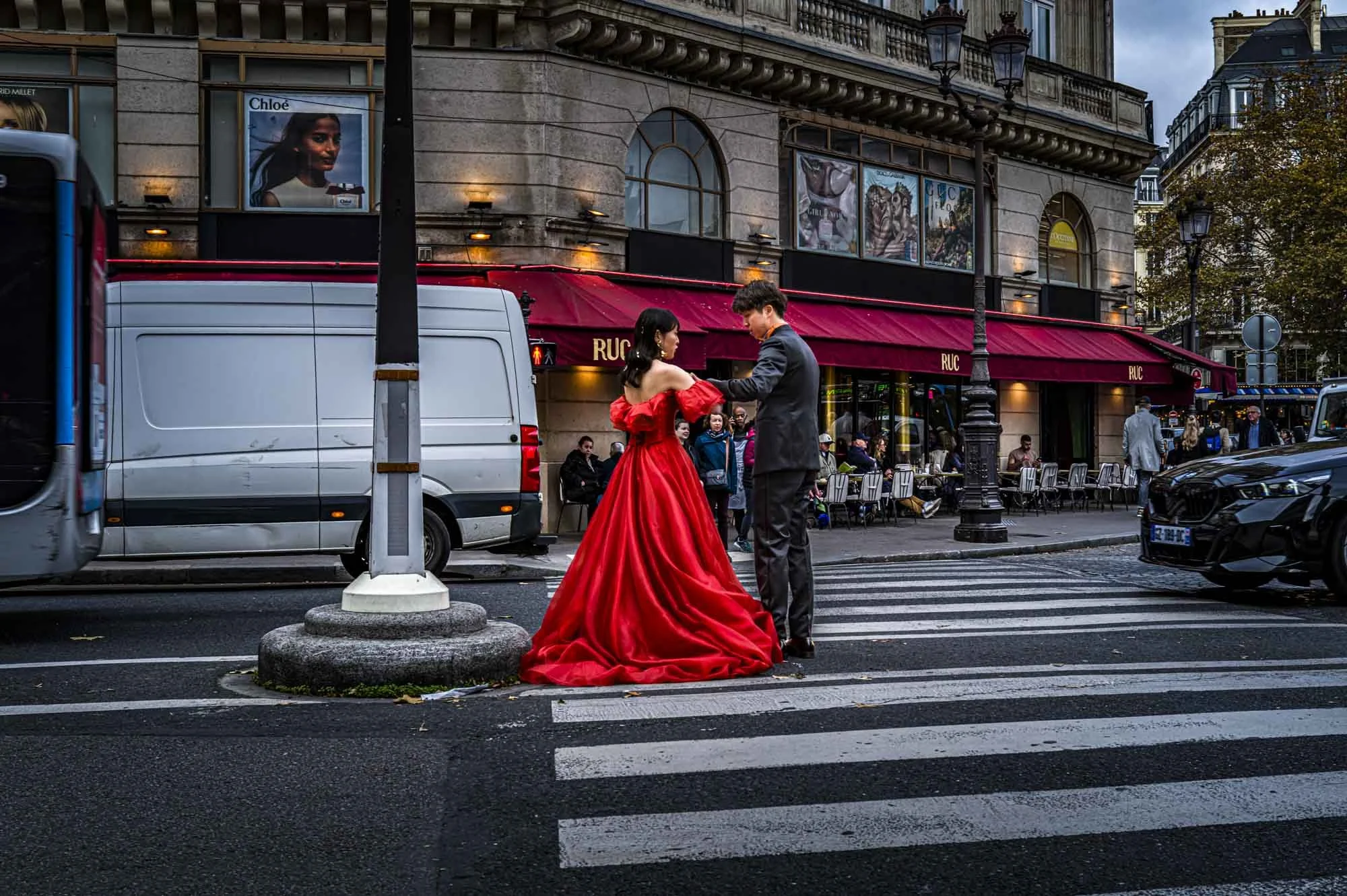
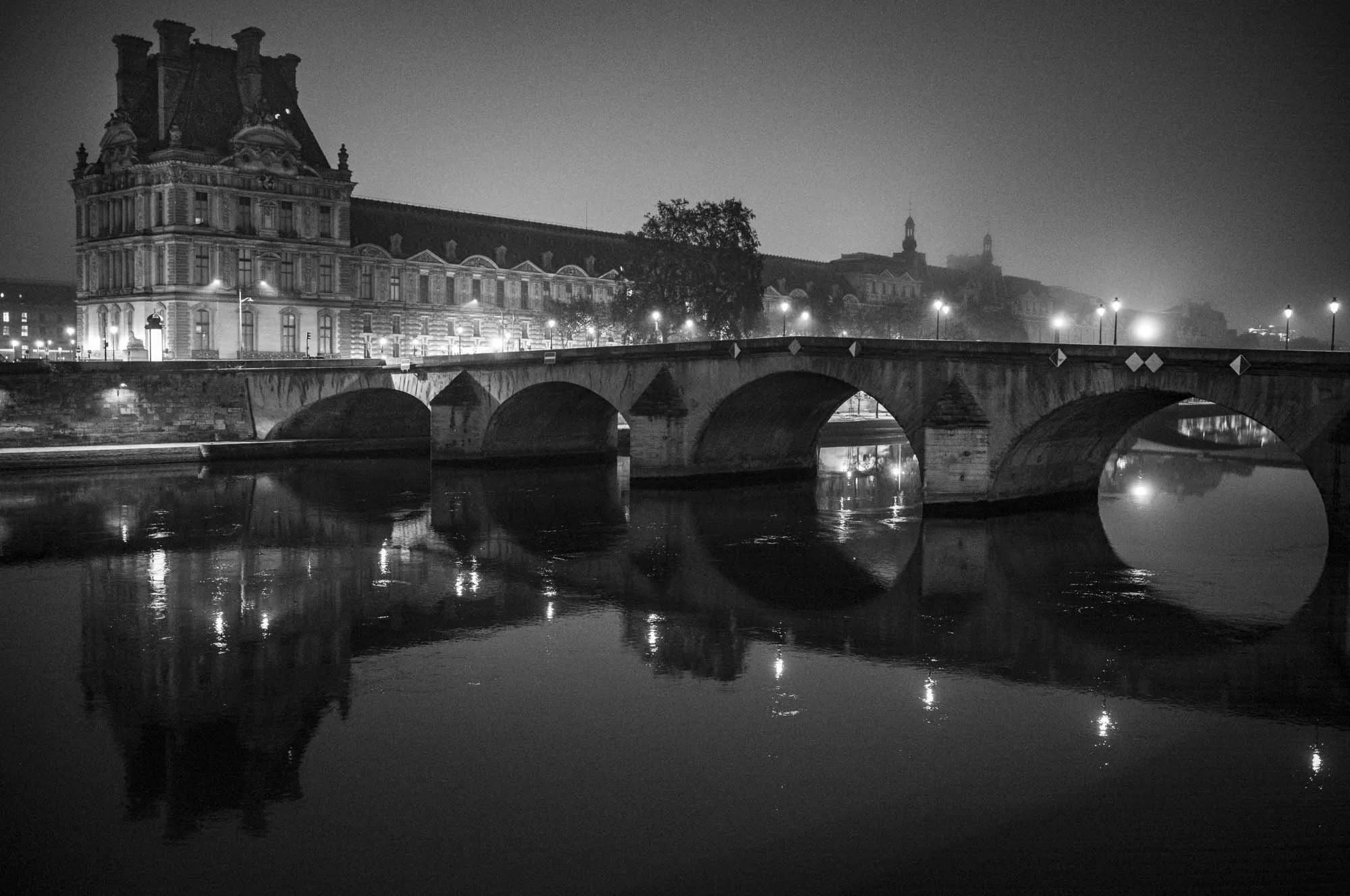
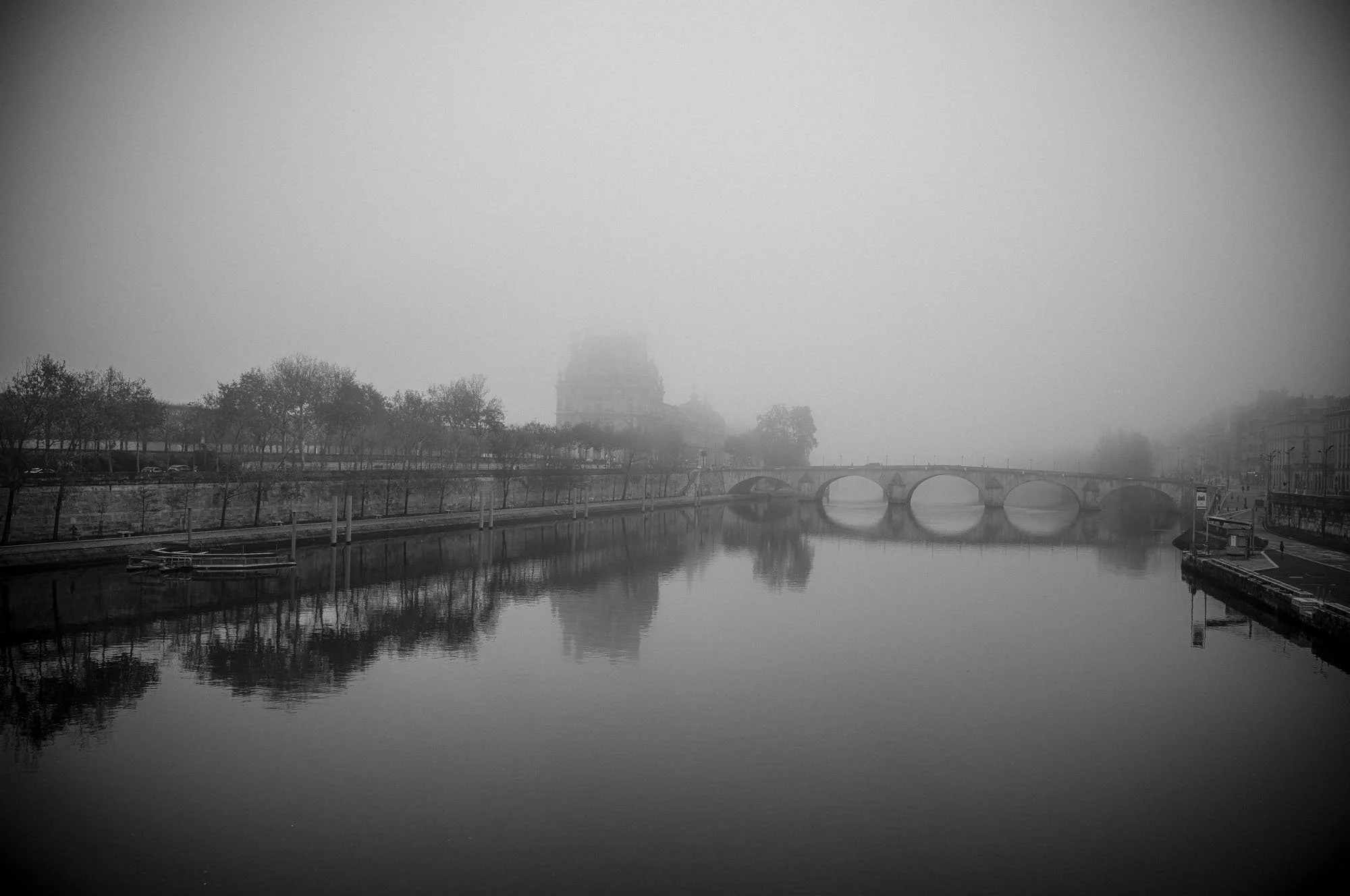
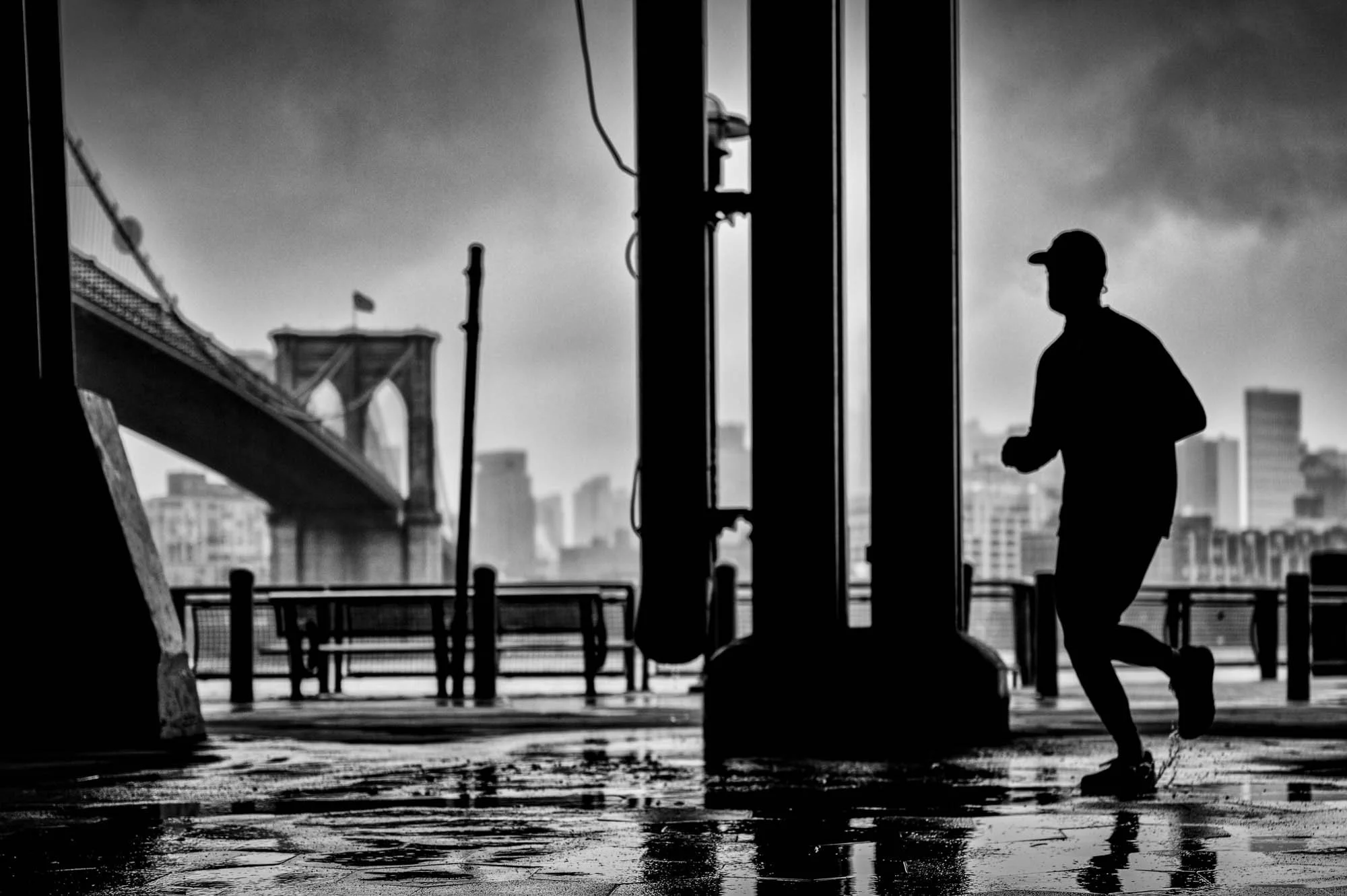
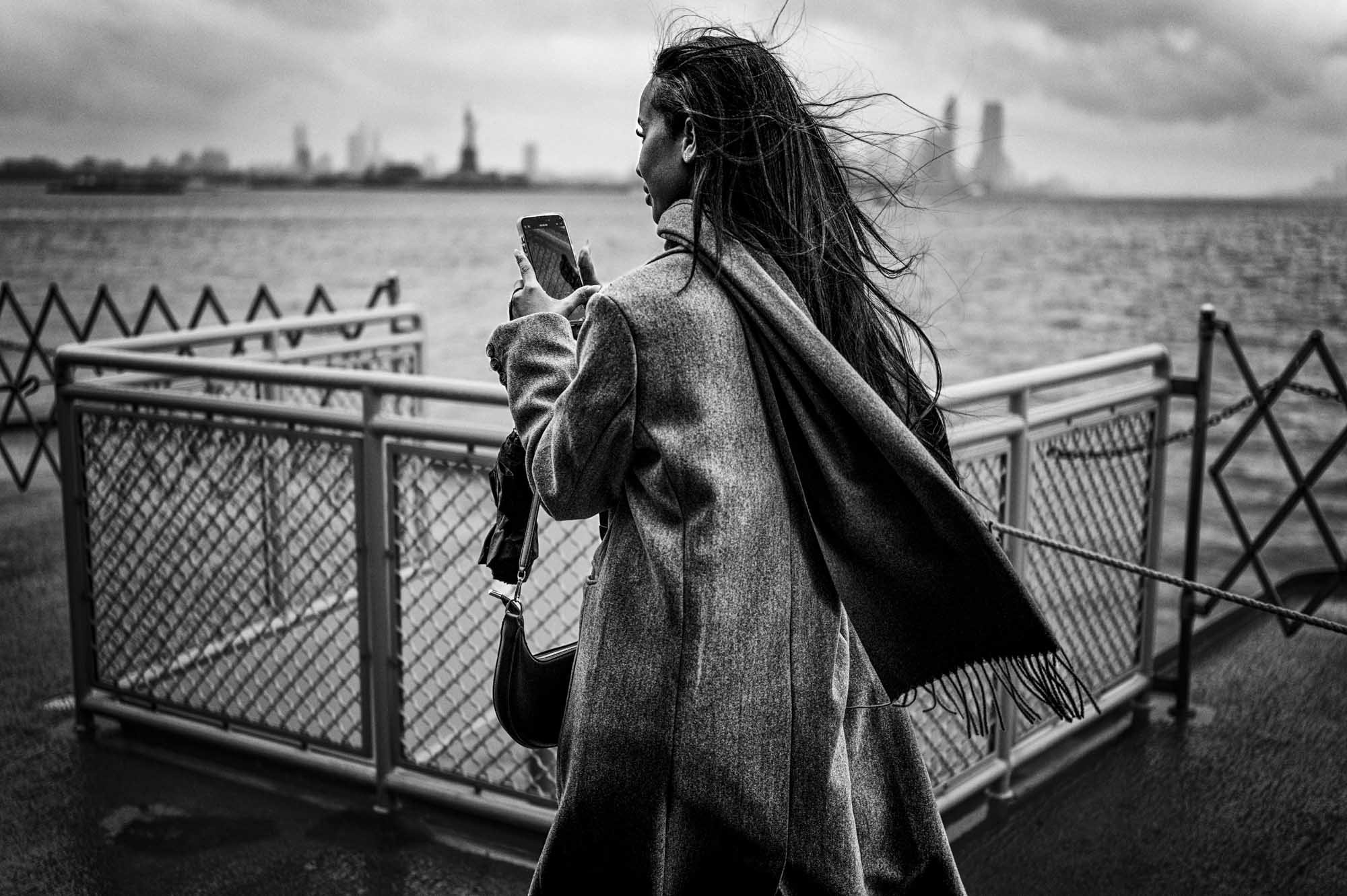
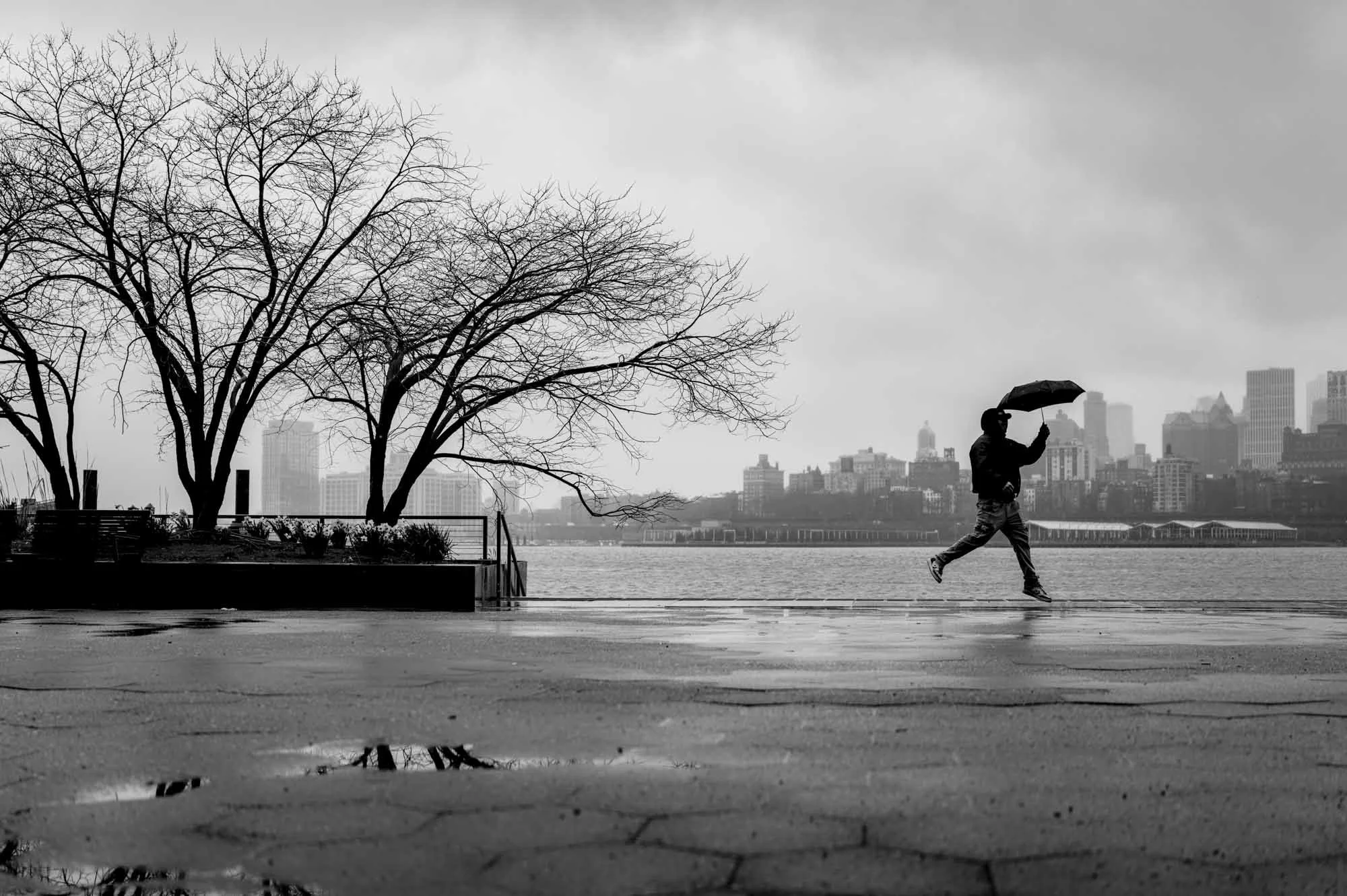
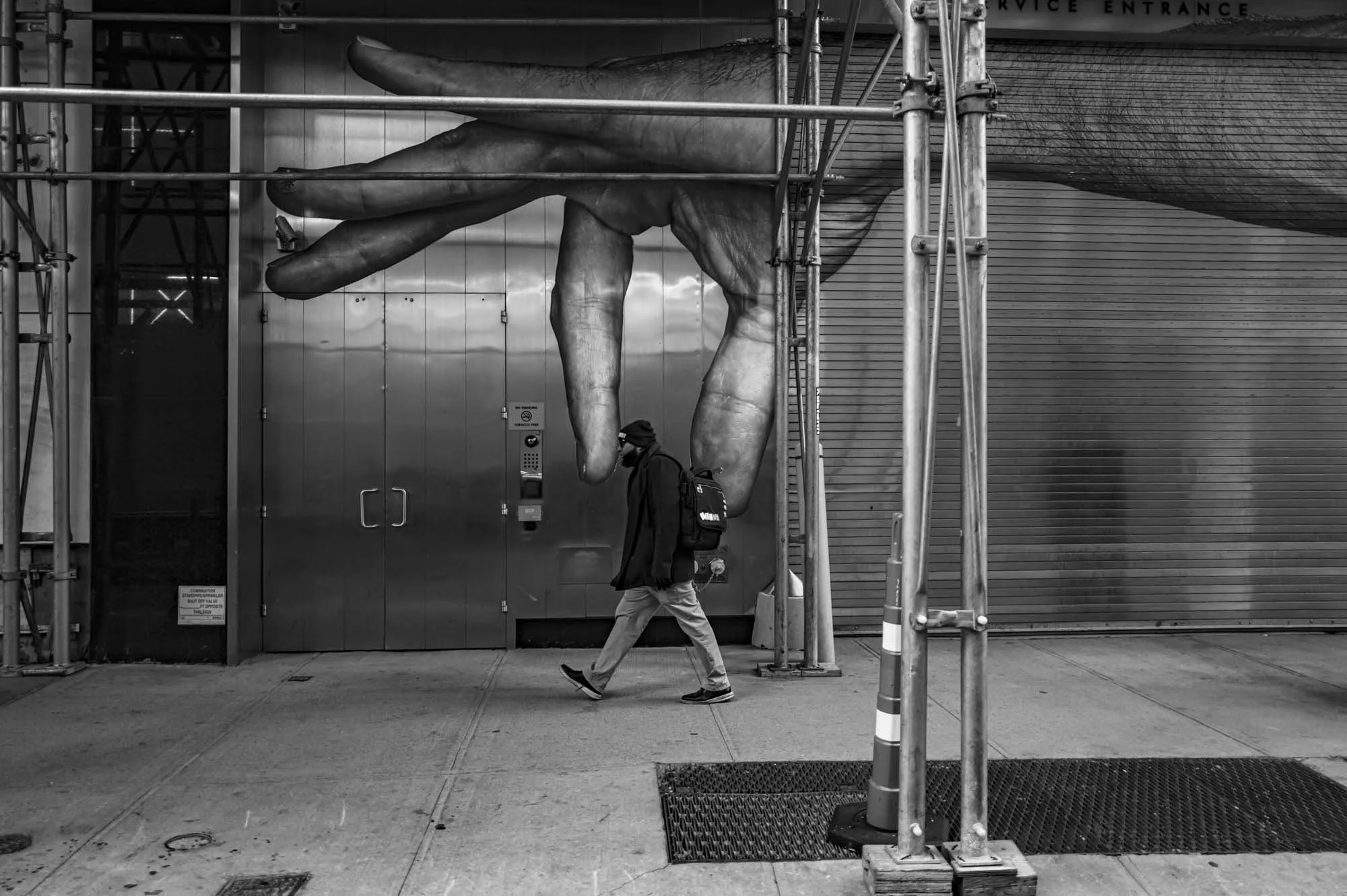
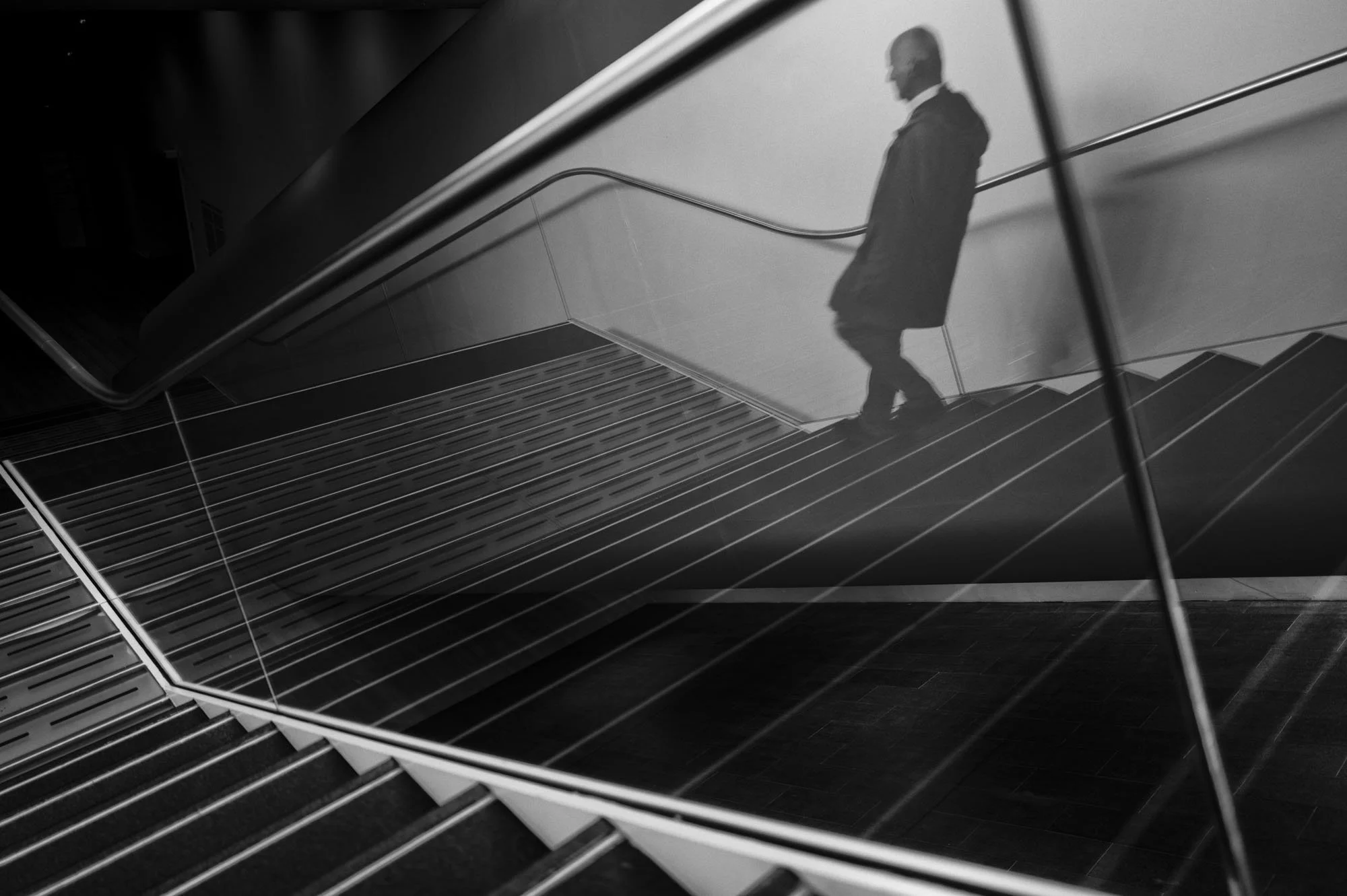
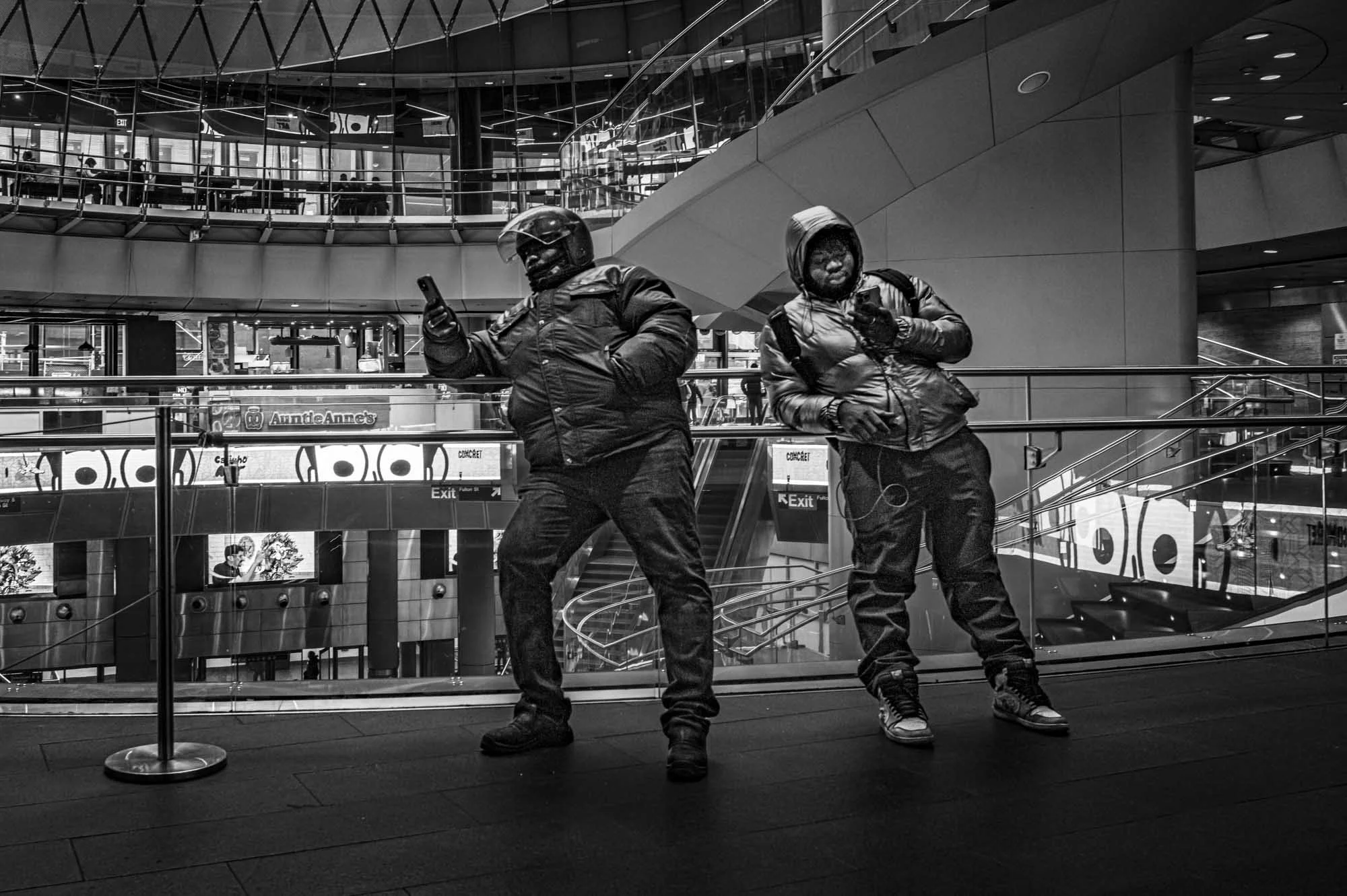
Where my landscapes and documentary work explore slow time and accumulated history, the urban frame captures something immediate—a pedestrian crossing a shaft of light, a stairwell descending into shadow, the clean geometry of a fire escape against concrete.
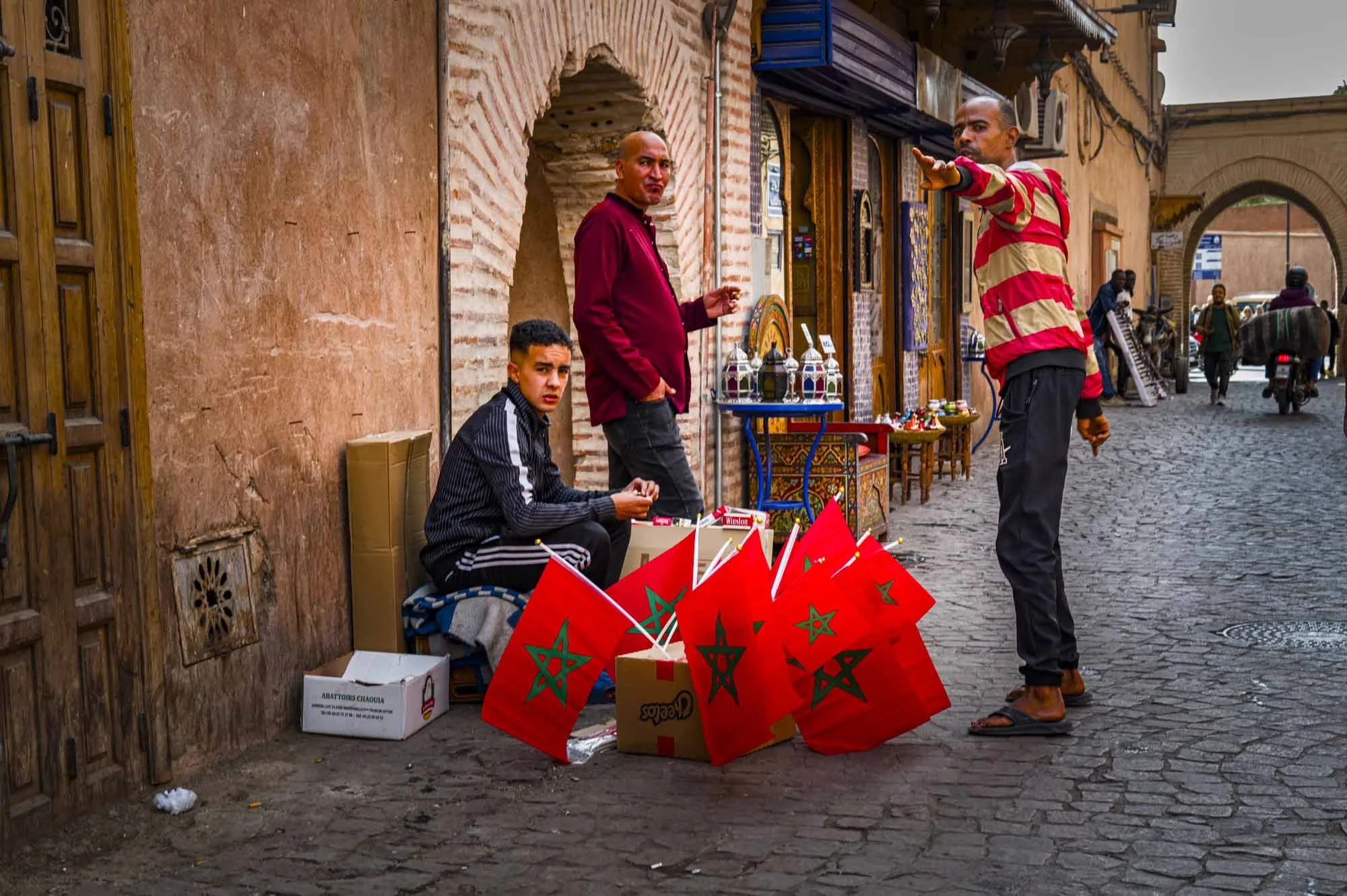
I'm drawn to high contrast because that's how cities reveal themselves. Light doesn't diffuse in urban spaces—it cuts hard edges. Shadows don't soften—they carve out shapes. This stark quality strips scenes down to their essential forms, whether I'm working the canyons of New York, the narrow streets of Marrakesh, or the boulevards of Paris. For me, street photography is also a way of learning. Moving through a place with a camera—through medinas, metro stations, market districts—teaches me how a culture organizes itself in space. How people occupy doorways, navigate crowds, claim temporary territory on a busy corner. The built world becomes both subject and teacher. These images aren't documentary in the traditional sense. I'm less interested in what the city contains than in how it shapes the geometry of daily life—those brief moments when architecture, light, and human movement align.